Digital Nomad Guide to Zimbabwe 2026
Zimbabwe is an unconventional nomad destination — but a surprisingly rewarding one. Harare is affordable, English-speaking, and friendly. The USD economy means no currency conversion hassle for American nomads. Power outages are the biggest challenge, but with the right setup, Zimbabwe offers excellent value and a unique experience far from the typical nomad trail.
Internet Speeds and Reliability
Zimbabwe's internet is functional but slow compared to South Africa or Kenya. Fibre is expanding in Harare but coverage is limited. Mobile data is the primary connection for most people.
| Connection Type | Avg Speed | Reliability | Cost/Month |
|---|---|---|---|
| 4G/LTE | 5-20 Mbps | Moderate | $15-40 |
| Fibre (Harare) | 20-50 Mbps | Good where available | $40-100 |
| Fixed Wireless (WIMAX) | 3-10 Mbps | Variable | $30-60 |
| Coworking WiFi | 15-30 Mbps | Good | Included |
Key providers: Econet Wireless (best 4G coverage, dominant), NetOne (government-owned, cheaper), Telecel, and ZOL/Liquid Telecom (fibre).
Internet speeds drop significantly during power outages as cell towers switch to battery/generator. Invest in a good power bank and portable WiFi router.
Best Cities for Digital Nomads
1. Harare — The Capital
Zimbabwe's capital and only realistic base for digital nomads. A surprisingly green, spacious city with jacaranda-lined streets and a small but growing tech scene.
- Pros: Affordable, USD economy (no currency headaches for US nomads), English-speaking, friendly and educated population, safe by African standards, pleasant climate
- Cons: Unreliable power (8-18 hours of load-shedding daily at worst), limited coworking, smaller social scene, few international flights
- Best areas: Avondale (cafes, restaurants, central), Borrowdale (upscale, malls), Mt Pleasant (quiet, residential), Highlands (established, safe)
2. Bulawayo — The Second City
Zimbabwe's second-largest city with a more relaxed, laid-back atmosphere. Art Deco architecture and proximity to Matobo Hills National Park.
- Pros: Very affordable, friendly, art scene, Matobo Hills access, less traffic than Harare
- Cons: Slower internet, no coworking spaces, smaller expat community, fewer amenities
3. Victoria Falls — The Tourist Hub
Zimbabwe's tourism capital. Not ideal for long-term remote work but a great place to spend a week or two while working.
- Pros: Victoria Falls itself, adventure activities, tourist infrastructure, some hotel WiFi is decent
- Cons: Tourist pricing, limited long-term accommodation, internet unreliable, hot climate
Coworking Spaces
| Space | Location | Day Pass | Monthly | Highlights |
|---|---|---|---|---|
| Impact Hub Harare | Avondale, Harare | $10 | $80 | Community events, generator backup, cafe |
| Muzinda Hub | Harare CBD | $8 | $60 | Tech-focused, affordable, mentorship |
| Patsime Trust | Harare | $5 | $40 | Social enterprise focus, affordable |
| TechVillage | Borrowdale, Harare | $12 | $90 | Modern, generator, fast fibre, meeting rooms |
| Cafe-cowork options | Various, Harare | $3-5 (coffee) | N/A | Nando's, Mugg & Bean, and cafes with WiFi and power |
Zimbabwe's coworking scene is small but growing. All listed spaces have generator backup. Many nomads also work from hotel lobbies and upscale cafes in Borrowdale and Avondale.
Cost of Living for Digital Nomads
Zimbabwe uses the US dollar as its primary currency (alongside the ZiG/Zimbabwe Gold). Prices are quoted in USD, making budgeting easy for US-based nomads.
| Expense | Harare (Monthly) | Notes |
|---|---|---|
| Studio/1-bed apartment | $200-500 | Furnished in Avondale/Borrowdale |
| Coworking membership | $40-90 | Or cafe-work for $3-5/day |
| Food (eating out) | $100-250 | Local meals $3-5, restaurant meals $8-15 |
| Transport | $40-80 | Kombis (minibuses) very cheap, Uber not available |
| Mobile data (30GB+) | $15-40 | Econet is most reliable |
| Entertainment & social | $50-120 | Beer $1-2, cocktail $3-6 |
| Generator fuel (if needed) | $30-80 | For personal generator, if not included in accommodation |
| TOTAL (comfortable) | $500-1,100 | One of Africa's cheapest nomad destinations |
Visa Options for Remote Workers
Zimbabwe does not have a digital nomad visa. Entry is via standard tourist or business visa.
| Visa Type | Duration | Cost | Remote Work? |
|---|---|---|---|
| Single Entry Visa | 90 days | $30 (most nationalities) | Grey area — most nomads use this |
| Double Entry Visa | 90 days | $45 | Good for day trips to Zambia/Botswana |
| KAZA UniVisa | 30 days | $50 | Covers Zimbabwe + Zambia (great for Vic Falls) |
| Visa on Arrival | 90 days | $30-55 | Available at airports and borders |
Category A countries (UK, USA, Canada, most EU, Australia, Japan, etc.) get visa on arrival. Some SADC citizens are visa-exempt.
Extensions can be applied for at the Department of Immigration in Harare. Budget 1-2 weeks for processing. Some nomads do border runs to Zambia, Botswana, or Mozambique.
Time Zones and Work Overlap
Zimbabwe operates on Central Africa Time (CAT) — UTC+2, year-round (same as South Africa).
| Your Team Location | Time Difference | Overlap (9am-5pm their time) |
|---|---|---|
| UK (GMT/BST) | +2/+1 hours | Excellent (7-8 hours) |
| Central Europe (CET) | +1 hour | Excellent (7 hours) |
| US East Coast (EST) | +7 hours | Moderate (2-3 hours) |
| US West Coast (PST) | +10 hours | Minimal |
| South Africa (SAST) | Same | Perfect (8 hours) |
Safety and Quality of Life
- Safety: Zimbabwe is generally safe for visitors. Harare has lower violent crime than Johannesburg or Nairobi. Petty crime exists but is not a major concern in good areas
- People: Zimbabweans are among the most educated and friendliest people in Africa. English proficiency is extremely high. You will have real, deep conversations everywhere
- Healthcare: Limited. Private clinics in Harare are adequate for minor issues. For serious medical situations, evacuation to South Africa (Johannesburg is a 1.5-hour flight) is the standard. Travel insurance with evacuation cover is essential
- Climate: Harare sits at 1,490m altitude — pleasant 15-28°C. Dry season (May-October) is best for working. Rainy season (November-March) brings afternoon thunderstorms
- Weekends: Lake Chivero (30 min from Harare), Nyanga Mountains (4 hours), Victoria Falls (1-hour flight), Matobo Hills, and Great Zimbabwe ruins
Banking and Money
- Currency: US Dollar (USD) is the primary currency. ZiG (Zimbabwe Gold) is the official local currency but USD is preferred everywhere
- Cash vs mobile money: EcoCash (Econet's mobile money) is widely used for local transactions. USD cash is king — bring clean, undamaged notes (post-2009 series preferred)
- ATMs: Available in Harare but may have withdrawal limits or be out of USD cash. CBZ, Stanbic, and Standard Chartered are most reliable
- Card payments: Growing in Harare's restaurants and supermarkets. Visa more widely accepted than Mastercard. Many places still prefer cash or EcoCash
- Tip: Bring USD cash from South Africa or your home country. Zimbabwe's ATMs do not always dispense USD, and bank fees can be high
Mobile Data Packages
| Provider | Plan | Data | Validity | Cost |
|---|---|---|---|---|
| Econet | WhatsApp Bundle + Data | 30GB | 30 days | $20 |
| Econet | Heavy User | 60GB | 30 days | $35 |
| NetOne | OneFusion | 40GB | 30 days | $18 |
| Telecel | Data Bundle | 25GB | 30 days | $15 |
Recommendation: Econet is the only choice for reliable 4G. Their LTE coverage in Harare is decent. Add NetOne as a budget backup. SIM registration requires passport. Buy at official Econet shops (red branding) — they are everywhere.
Power Outages — The Big Challenge
Power outages are Zimbabwe's biggest obstacle for digital nomads. ZESA (the power utility) cannot meet demand, resulting in regular load-shedding.
| Scenario | Duration | Frequency |
|---|---|---|
| Good period | 4-8 hours/day without power | Dry season, dam levels high |
| Bad period | 12-18 hours/day without power | When Kariba Dam is low |
| Solar installations | Growing rapidly | Many homes and businesses adding solar |
Essential Backup Plan:
- Power bank (30,000mAh): Minimum. Consider two — $25-50
- Portable power station (500Wh+): For laptop power through a full outage — $200-400
- Accommodation with solar/generator: Non-negotiable. Ask before booking. Borrowdale and Highlands properties often have solar systems
- Coworking spaces: The safest bet — Impact Hub and TechVillage run generators continuously during outages
- Mobile data: Cell towers have battery backup but only for a few hours. Extended outages will knock out mobile data too
Quick Facts
- Nomad Rating: 5.5/10
- Internet: 5-50 Mbps
- Monthly Cost: $500-1,100
- Time Zone: UTC+2 (CAT)
- Nomad Visa: None
- Best City: Harare
- Power: Very unreliable
- Currency: USD / ZiG
Related Guides
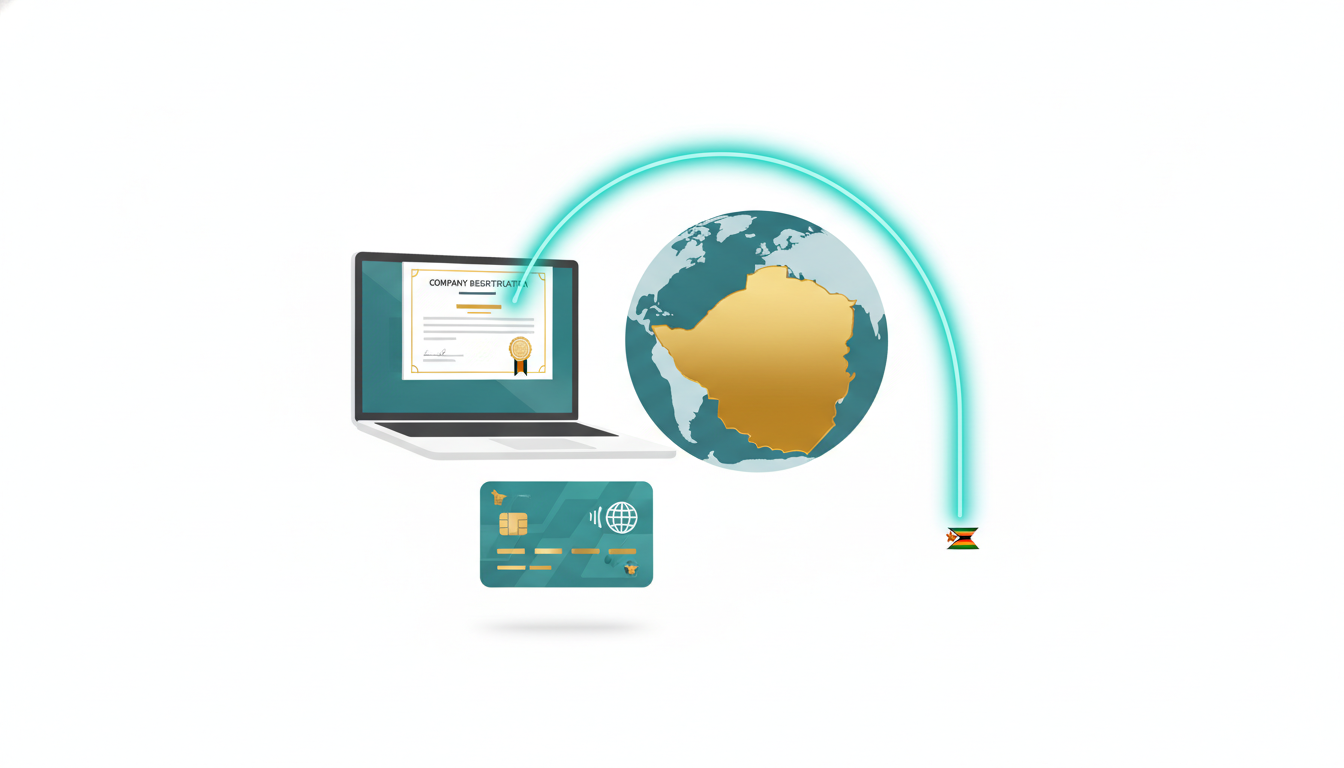
Apply for a Private Limited Company or PBC 100% online. Pay online by card or Zimbabwe payment methods. RegisterCompany.co.zw handles the filing and sends your documents digitally.